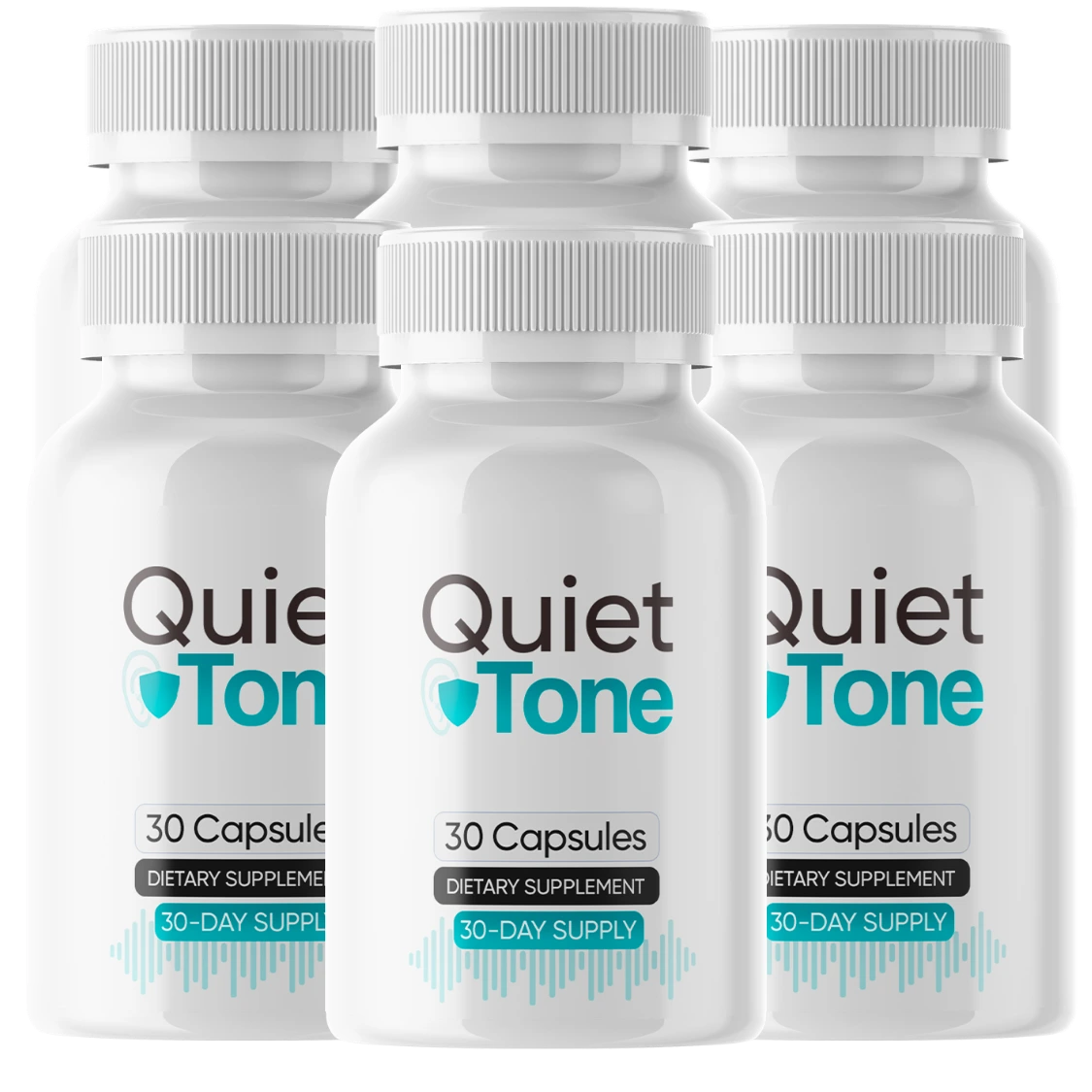
How Does Quiet Tone Work?
Quiet Tone's stated mechanism pairs a disclosed nutrient base with a calming, adaptogen-heavy botanical blend.
No finished-product trial connects this formula to any tinnitus outcome specifically.
The disclosed base does the foundational work
Thiamin, Riboflavin, Niacin, B6, Biotin and Pantothenic Acid are dosed at meaningful percentages of daily value, alongside Calcium, Magnesium and Zinc. This part of the label is unusually transparent for the category.
The blend leans on adaptogens and calming botanicals
Ashwagandha and Rhodiola Crenulata are commonly categorized as adaptogens in general wellness literature. See our full piece on Ashwagandha and Rhodiola.
The largest group in the blend — Valerian, Passion Flower, Chamomile, Hops, L-Theanine, GABA and related botanicals — is commonly studied for relaxation and stress modulation, not any direct auditory effect.
Stress, sleep and tinnitus: what the connection actually is
General audiology literature discusses stress, anxiety and poor sleep as factors that can make existing tinnitus feel more noticeable, though they are not typically described as root causes of the underlying auditory symptom itself. That's a meaningfully different claim than treating tinnitus directly.
What the mechanism does not establish
No finished-product clinical trial for Quiet Tone was identified in the materials reviewed. Ingredient-category research does not establish that Quiet Tone itself affects tinnitus. See the full ingredient list and what the formula is positioned to support.